

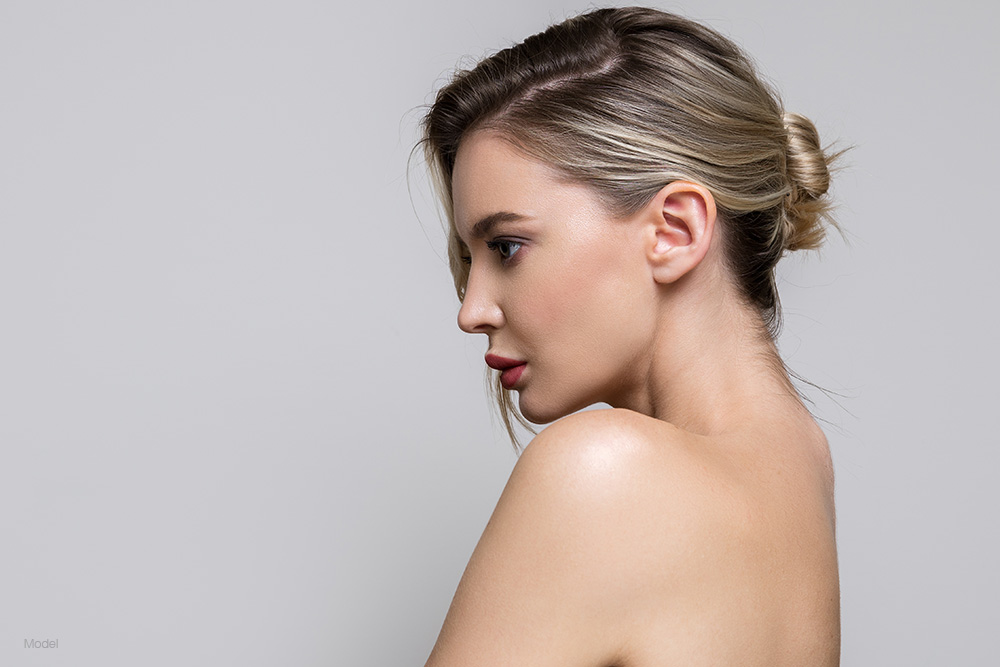
Rhinoplasty has one of the longest and most challenging recovery periods of any facial procedure, but the results are well worth it. This blog discusses major healing milestones of rhinoplasty recovery, including the timeline of both aesthetic and functional improvements.
6 Min Read:
How Long Will My Rhinoplasty Recovery Be?
Rhinoplasty is one of the most transformative procedures available, due to the impactful nature the nose has on the rest of the face. If your nose is too large for your face or has a large hump, it can be very difficult to ignore. Many patients seeking rhinoplasty want their noses altered to allow their other facial features to take center stage; by reshaping the nose, the face can appear more balanced and harmonious.
To get the results of this wonderful procedure, however, you have to go through the rhinoplasty recovery process. Now, the recovery process is a bit more involved than other procedures, but for good reason. After rhinoplasty, post-operative swelling is more severe, prolonging the healing process. But once you understand rhinoplasty recovery, you can prepare more effectively and make the most of your healing process.
Rhinoplasty Recovery Timeline
While you will certainly be ready to see your results ASAP after rhinoplasty, you’ll have quite a while before the final healing has completed. In fact, final results after rhinoplasty can take up to a year for all the internal swelling to resolve and for the nose to settle into its final shape. However, you’ll be able to see your nose progressively improve and heal as you get through the recovery phase.
Days 1–3: Initial Recovery
The first 72 hours of recovery will be dedicated to rest and protecting your nose. You will likely have a splint on the outside of your nose, plus some light packing in your nostrils. Both of these are to support and protect your healing nose; be sure to avoid touching or dislodging your packing and gauze.
Additionally, swelling and discomfort will peak around this time, usually about day three. You may also experience some bruising around your eyes or other parts of your face. This is all completely normal, and while uncomfortable, it will all pass.
Some tips for early healing:
- Sleep with your head elevated. This reduces swelling and helps any excess fluid drain, so you can sleep more comfortably.
- Use cold compresses around your nose (not directly on it) to reduce swelling, ease discomfort, and help bruising heal.
- Follow your surgeon’s instructions and take all prescribed medications.
- Rest as much as possible.
- Incorporate light walking throughout your entire recovery process. This will help reduce blood clots and induce healing through blood circulation.
Days 4–7: Primary Healing
Your first full week of recovery will feel a bit like a paradox: you’ll feel stronger than you did in the first three days, but you’ll still tire easily. Your bruising and swelling will peak, then noticeably improve. During this time, the trick is not to push yourself. It’s crucial to just listen to your body: when you are tired, rest. When you have a little bit more energy, go for a slow walk around the house to get your blood moving. But never push yourself, as this can have adverse effects on your healing progress.
You may have a follow-up appointment with your surgeon at this time to remove gauze, splints, or downsize any of these support items. They will also check your nose to ensure you are healing well and everything looks how it’s supposed to. Be sure to ask any questions you have at this time!
By the end of your first week, you will likely be able to see your nose for the first time. Bear in mind, this is by no means what your end result will look like. You still have a majority of swelling present, likely some bruising, and a lot of healing to undergo before you can see the final result. Some patients feel alarmed or regretful at this point; while natural, it’s important to understand that those feelings don’t last and that your nose will be much improved over the next few months. This is one of the most difficult aspects of rhinoplasty healing, because it takes longer to reveal the final results than with other procedures.
Weeks 2–3: Swelling and Bruising Improvement
Your physical discomfort has likely subsided, such as stuffiness, soreness, and nasal drip. This will greatly improve your sleep, rest, and daily activities, providing relief after a few weeks of discomfort. Additionally, between weeks two and three post-op, most patients start to notice improvement in swelling and bruising, so their aesthetic healing becomes more apparent.
With most swelling gone, you’ll be able to notice the new shape of your nose. Most other people won’t even be able to notice the residual swelling you have, either. You can increase your daily activities, including light physical activity like walking, while strenuous exercise should still be avoided.
Months 1–2: Back to Regular Activity
You should feel significantly better by the end of week four. Most patients are able to resume more activities, like low-impact exercise. More strenuous exercise, like cardio, heavy lifting, and high-impact activities, should still be approached with caution, or with your surgeon’s clearance only.
Months 3–6: Major Healing
Three to six months after surgery, most swelling has dissipated, and most healing is complete. Almost all swelling is gone, especially around the bridge, while some puffiness likely will remain around the tip, which is the slowest to heal.
You will likely see the most subtle contours and reshaping at this time, though final results can take more time to become apparent.
Keep balancing light movement with rest. While you will likely feel back to normal, there’s still some internal healing happening. Straining yourself through heavy workouts only delays healing, so listen to your body and your surgeon!
Year 1 and Beyond: Final Healing
Usually, the one-year mark is when rhinoplasty recovery is considered done, depending on the patient. The nose should feel normal, including in sensation and function, and the new shape should be obvious. While the nasal tip may still be healing, it should continue to be protected, and you will be able to enjoy most of your final results.
Choose the Right Surgeon for Your Rhinoplasty
A pro tip for rhinoplasty recovery: choose the best rhinoplasty surgeon. Dr. Jason B. Diamond is a facial plastic surgery specialist, providing some of Hollywood’s most famous faces with gorgeous surgical and non-surgical results. Combining years of experience in facial plastic surgery and an eye for creating balanced, subtle results, Dr. Diamond offers incomparable results and concierge service for his patients.
Working with the team at The Diamond Face Institute means you are getting the best pre- and post-operative care available, and at any point in your rhinoplasty recovery, you’ll have access to the support you need.
Want to Learn More About Rhinoplasty Recovery in Beverly Hills, CA?
Call The Diamond Face Institute today at (310) 859-9816 or complete the form to request a rhinoplasty or revision rhinoplasty consultation.